
Retaining Wall Design & Installation
Expert retaining wall solutions that combine function, beauty, and lasting stability.
Why Your Property Needs a Quality Retaining Wall
Retaining walls do more than hold back soil. They solve drainage problems, create usable yard space, prevent erosion, and add value to your property. In Spring Hill, where we deal with sandy soil, heavy rainfall, and varying terrain, properly designed and built retaining walls are essential for many properties. A well-built retaining wall can last 50 years or more. A poorly built one fails in just a few years, causing expensive damage to your property.
Many homeowners do not realize their property needs a retaining wall until they see problems. Soil erosion washing away your yard, water pooling near your foundation, or sloped areas that are unusable all indicate you could benefit from a retaining wall. Even if you do not have obvious problems, a retaining wall can transform sloped areas into functional outdoor living spaces. Think of it as an investment that solves problems and creates opportunities.
At SH Spring Hill Masonry, we design and build retaining walls that handle Florida's unique challenges. We understand soil conditions, drainage requirements, and structural engineering principles that ensure walls stay standing for decades. We also create walls that look great and complement your property's style. Function and beauty work together in our designs.
Retaining Wall Options We Offer
Different situations call for different retaining wall solutions. Here are the main types we build:
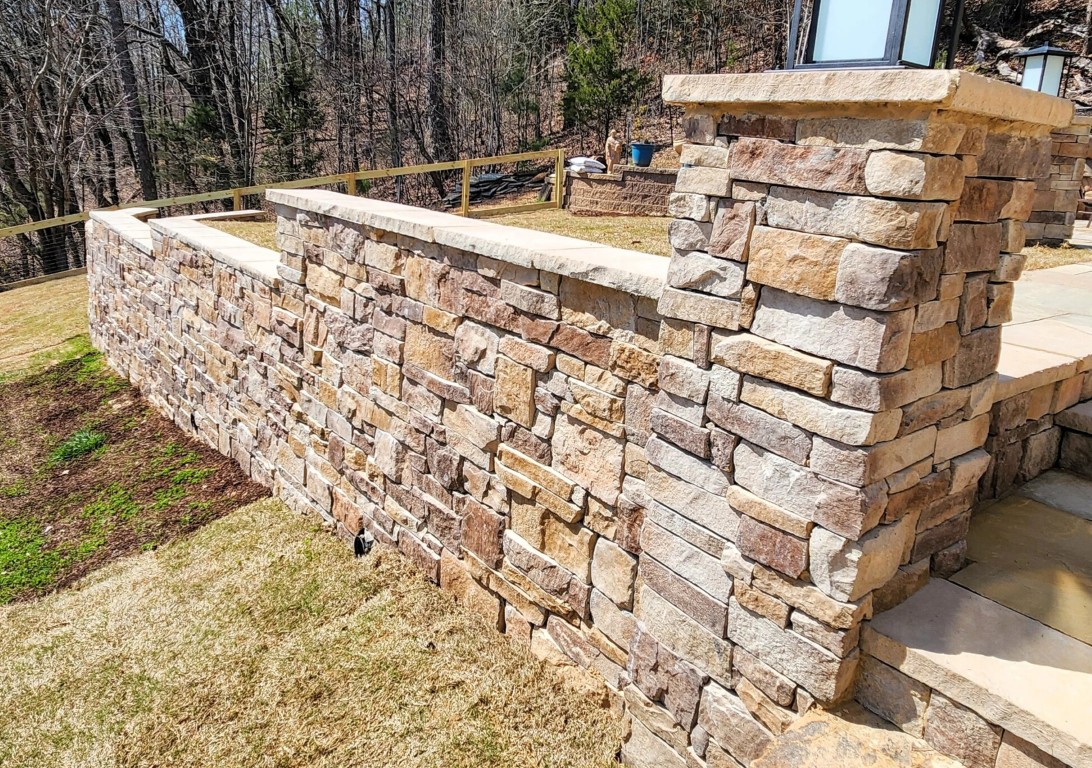
- Natural stone walls: These create a timeless, upscale look. We use fieldstone, limestone, or other natural materials. Each stone is unique, giving your wall character and charm. Natural stone works especially well for traditional or rustic properties.
- Brick retaining walls: Brick offers a classic appearance that matches many home styles. We build brick walls using proven techniques that ensure stability. Brick is versatile and can be laid in various patterns to match your preferences.
- Block retaining walls: Modern retaining wall blocks come in many styles and colors. They offer excellent strength and durability. Installation is often faster than natural stone while still delivering great results. Many block systems have built-in features that improve drainage and stability.
- Concrete retaining walls: Poured concrete or precast concrete panels provide maximum strength for larger walls or challenging situations. We can add decorative finishes or veneers to improve appearance while maintaining structural integrity.
- Stacked stone walls: These create a dry-stack appearance where no mortar is visible between stones. This style works well for contemporary landscapes and offers excellent drainage characteristics. Proper engineering ensures stability without visible mortar joints.
Choosing the right type depends on your property's needs, your budget, and your aesthetic preferences. We guide you through the options and help you select the solution that works best for your specific situation. We consider factors like wall height, soil conditions, drainage needs, and local building codes when making recommendations.
Our Retaining Wall Design and Installation Process
Building a retaining wall that lasts requires careful planning and expert execution. Here is how we approach every project:
Site Assessment and Design
We start by evaluating your property. We look at soil type, slope angle, drainage patterns, and any existing issues. We measure carefully and consider how water flows across your property. This information guides our design. We create a plan that addresses your specific needs and meets local building codes. For walls over a certain height, we work with engineers to ensure structural integrity.
Proper Foundation Preparation
A retaining wall is only as good as its foundation. We excavate to the proper depth and create a solid base using compacted gravel. The base must be level and stable. Shortcuts here lead to walls that lean, crack, or fail completely. We do not skip steps or cut corners on foundation work. This is where structural integrity begins.
Drainage System Installation
Water pressure behind a retaining wall is the biggest cause of failure. We install proper drainage systems including perforated pipes, gravel backfill, and weep holes. These features allow water to escape rather than building up pressure behind the wall. Good drainage is not optional. It is essential for long-term wall performance.
Wall Construction
We build walls using proven techniques appropriate to the material. Each course must be level and properly positioned. We ensure proper setback if the design calls for it. We compact backfill as we go to provide solid support. Attention to detail during construction determines how long your wall lasts and how good it looks.
Finishing and Landscaping Integration
After wall construction, we add finishing touches like cap stones or coping. We grade soil properly to direct water away from the wall. We can integrate lighting, plantings, or other features to complete your vision. The finished wall should look like it belongs on your property, not like an afterthought.
Just like our brick repair services, our retaining wall work combines traditional craftsmanship with modern engineering. The result is a structure that serves its purpose while enhancing your property's appearance.
Signs Your Retaining Wall is Failing
Catching retaining wall problems early prevents bigger issues and more expensive repairs. Watch for these warning signs:
Leaning or Tilting
Any visible lean means the wall is under stress. This could indicate foundation problems, inadequate drainage, or structural deficiencies. Do not ignore leaning. Walls can fail suddenly once they start moving.
Cracking
Small hairline cracks are normal in concrete and mortar. Large cracks or cracks that grow indicate structural problems. Horizontal cracks are especially concerning as they suggest the wall is moving. We assess crack patterns to determine if repair is possible or if rebuilding is necessary.
Water Pooling
Water collecting near your wall or at its base indicates drainage problems. This means water is not escaping properly and pressure is building. Addressing drainage issues quickly prevents wall failure.
Soil Erosion
Soil washing out from behind or below the wall compromises support. You might notice exposed foundation or gaps forming. This requires immediate attention to prevent collapse.
Bulging
If the wall face pushes outward, the wall is failing. This happens when water pressure builds up or when the wall was not designed properly for the load it bears. Bulging walls need professional assessment right away.
We repair failing retaining walls when possible and rebuild when necessary. We also offer tuckpointing services for masonry retaining walls that need mortar joint restoration. Our goal is always to provide the most cost-effective solution that ensures safety and longevity.