
Loading...
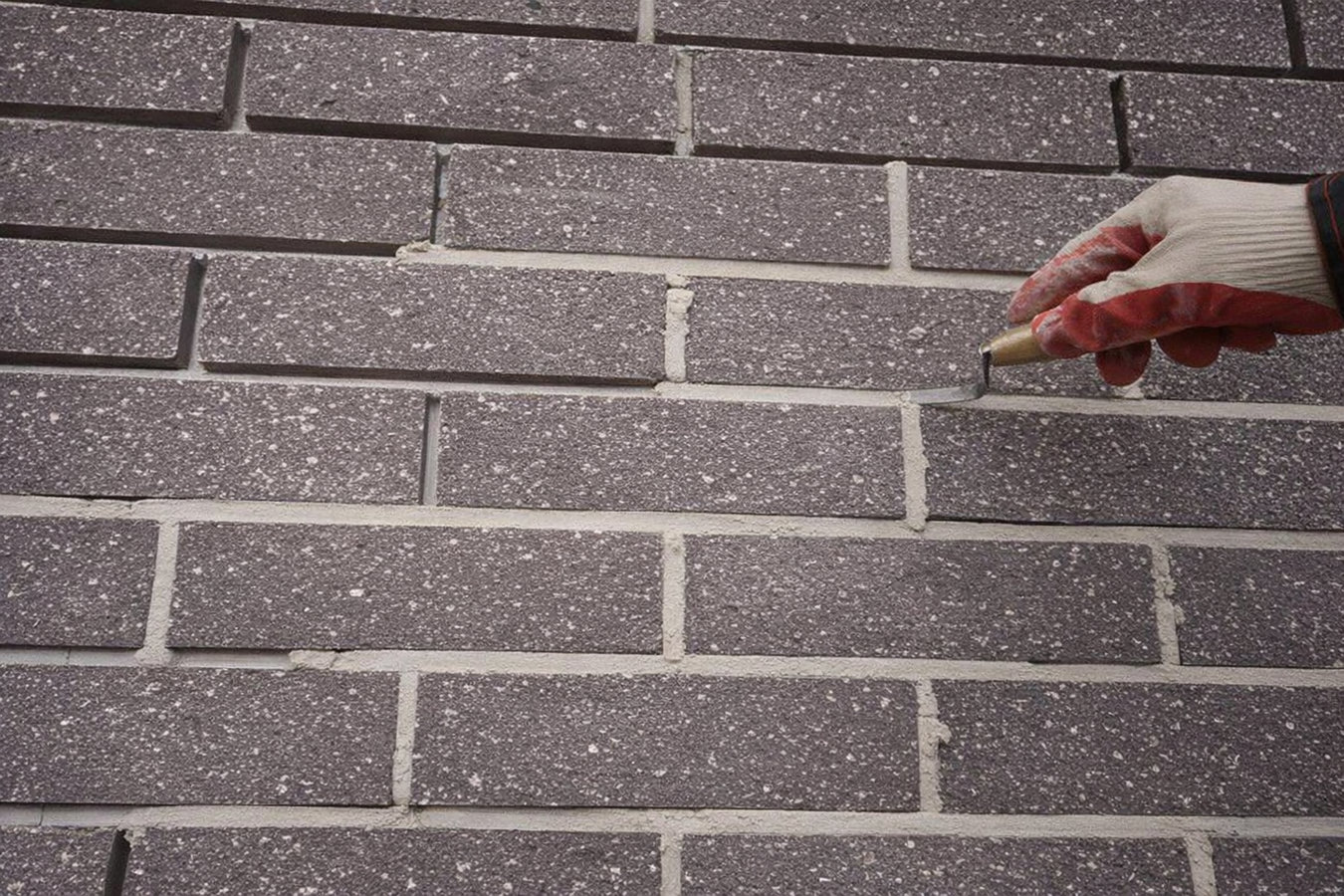
Crumbling mortar between your bricks is not a cosmetic problem - it is an open door for water. In Spring Hill, with 50-plus inches of rain a year, those failing joints let water in every storm. We remove the old mortar properly and replace it with a mix matched to your brick and Florida's climate so the repair actually holds.
Brick pointing in Spring Hill means removing the crumbled or eroded mortar between your bricks to a depth of about three-quarters of an inch and packing in fresh mortar that matches the original profile - most chimney or small wall jobs take one day, while a full exterior repoint on a larger home runs three to five days. Mortar is designed to be softer than brick so it absorbs stress instead of cracking the bricks - but that softness means it wears out first, typically after 20 to 30 years. In Spring Hill, where Hernando County gets over 50 inches of rain annually and salt air drifts in from the Gulf, that timeline can be shorter. If your home was built during Spring Hill's 1980s and 1990s building boom, the original mortar may be at or past the end of its useful life. For homes where the mortar has failed badly and structural concerns exist alongside the joint deterioration, our foundation repair service can assess both issues at the same visit.
Using the wrong mortar mix is one of the most common and costly mistakes in pointing work. A mix that is too hard for older brick can cause the bricks themselves to crack over time - the mortar should give slightly before the brick does. A good mason evaluates your existing mortar and brick hardness and matches the new mix accordingly. In Spring Hill's climate, that mix also needs to handle high humidity, heat, and the salt exposure that comes with living close to the Gulf Coast.
Run a finger along the mortar joints between your bricks. If the mortar crumbles, feels sandy, or you can push into it easily, it has lost its strength. In Spring Hill's wet climate, those gaps are already letting water into the wall system every time it rains.
Those white streaks are called efflorescence - they happen when water moves through the masonry and carries dissolved salts to the surface. In Spring Hill, where humidity and rain are constant, efflorescence is a reliable early warning that your mortar joints are letting water in and need attention.
If you notice water stains on interior walls, ceiling discoloration near a fireplace, or dampness near a brick feature after heavy rain, failing mortar joints are a likely cause. Spring Hill's summer storms are frequent enough that even small gaps become a significant water entry point over a season.
If your Spring Hill home dates to the area's rapid growth era and the mortar has never been touched, it is likely at or past the end of its useful life. Mortar that still looks intact from the street can be soft and failing up close - and waiting longer means more water damage before repair.
We handle brick pointing on chimneys, exterior walls, garden walls, planters, steps, and any other masonry structure where the mortar has deteriorated and needs replacement. The process is the same regardless of location: we use a grinder or chisel to carefully remove old mortar to the right depth, pack in fresh mortar by hand, shape it to match the original joint profile, and clean any excess off the brick face before it hardens. The result looks clean and consistent - you may barely notice the repair. For homes where the brick itself is damaged alongside the mortar, our foundation repair and masonry restoration services address the structural and material issues that go beyond what a pointing repair alone can fix.
Mortar matching is one of the more important details in this work. We assess your existing mortar and brick hardness before selecting a replacement mix, and we do our best to match the color and texture as closely as possible. New mortar will look slightly lighter than weathered original mortar at first - that is normal - and it typically mellows and blends within a few months of Florida sun and humidity. If you are only repointing a single section of a wall and color continuity matters to you, mention it during the estimate visit and we will talk through the options.
Best for homeowners whose chimney mortar has deteriorated from exposure - particularly common in Spring Hill homes where the chimney faces full sun and Gulf salt air year-round.
Suits homeowners whose home's exterior brick joints have reached the end of their original lifespan and need a full refresh to stop water from getting behind the wall.
For decorative brick garden walls, planters, and steps where crumbling mortar is a safety concern or allowing water to undermine the structure from below.
Ideal for homeowners who have a localized area of mortar failure - after storm damage or where a specific section has deteriorated ahead of the rest of the wall.
Spring Hill sits in Hernando County, where annual rainfall exceeds 50 inches and summer afternoons bring near-daily thunderstorms that can drop several inches in a single hour. That is not a climate where failing mortar joints can be monitored for a year before deciding to act - water finds those gaps on almost every storm. The area's karst limestone geology and sandy soils also mean the ground shifts more than in areas with denser soil, which transfers stress to brick walls and chimneys and cracks mortar joints even in structures that were well-built originally. Homes built during Spring Hill's fast-growth era in the 1980s and 1990s are now right at the age when original mortar typically reaches the end of its life. A large share of the housing stock here has never had mortar replaced - which means many homeowners are closer to a water damage problem than they realize. Proximity to the Gulf of Mexico adds another variable: salt air drifts inland and acts as a slow corrosive on mortar over time, particularly on the western side of Spring Hill near the Weeki Wachee and Bayport areas.
We serve homeowners with brick pointing needs throughout Hernando County and the surrounding region, including jobs in New Port Richey and Brooksville. The same attention to mortar selection and joint finishing applies on every job, regardless of size.
Call or use the contact form and we will respond within one business day. We will ask where the brick is located, roughly how large the area is, and whether you have noticed any water damage - then schedule an on-site visit to see it in person.
We visit your property, walk the area, and check the condition of the mortar joints and the bricks themselves. You receive a written, itemized estimate - not a single number. Be cautious of any contractor who quotes without visiting first.
The crew grinds out old mortar to the right depth, packs in fresh mortar by hand, shapes each joint to match the original profile, and cleans any excess off the brick face before it sets. This is the noisiest part of the job.
After the work is done, the crew cleans up and walks you around the finished project. New mortar needs 24 to 48 hours before getting wet and up to 30 days to fully cure - avoid pressure washing the area during that period.
No obligation. We come to your property, assess the mortar in person, and give you a written quote that breaks out what the work involves and what it costs.
(352) 651-0127We assess your existing mortar hardness before selecting a replacement mix. The Brick Industry Association is clear that using a mortar harder than the surrounding brick causes brick damage over time. We follow that standard and choose mixes formulated for high-humidity, salt-air environments like Spring Hill's.
We point and repoint brick masonry in Spring Hill and 11 surrounding communities. Working across the region means we see how mortar holds up - or does not - in different parts of Hernando, Pasco, Pinellas, and Citrus counties, and that experience informs every mix and approach we use.
Florida requires masonry contractors to hold a state license through the Department of Business and Professional Regulation. You can verify our license status online before signing anything. A licensed contractor carries liability insurance and workers' compensation coverage - which protects you if anything goes wrong during the job.
We give you a written, itemized estimate after visiting the site - not a single number over the phone and not a high-pressure pitch at the door. You have time to compare quotes and ask questions. We expect it and think that is exactly the right way for a homeowner to approach a repair decision.
Brick pointing is one of the most cost-effective repairs a homeowner can make - catching failing mortar before water damage spreads saves far more than it costs. We do the work correctly the first time so you are not dealing with the same joint crumbling again in three years.
When failing mortar is combined with visible cracking in the foundation or exterior block walls, foundation assessment should happen at the same time as the pointing repair.
Learn more about Foundation RepairFor older brick structures where the damage goes beyond failing mortar joints, full masonry restoration addresses structural issues, spalling bricks, and water infiltration together.
Learn more about Masonry RestorationBrick pointing is one of the most cost-effective repairs you can make - call today or request a free estimate and we will come to your property within the week.