
Loading...
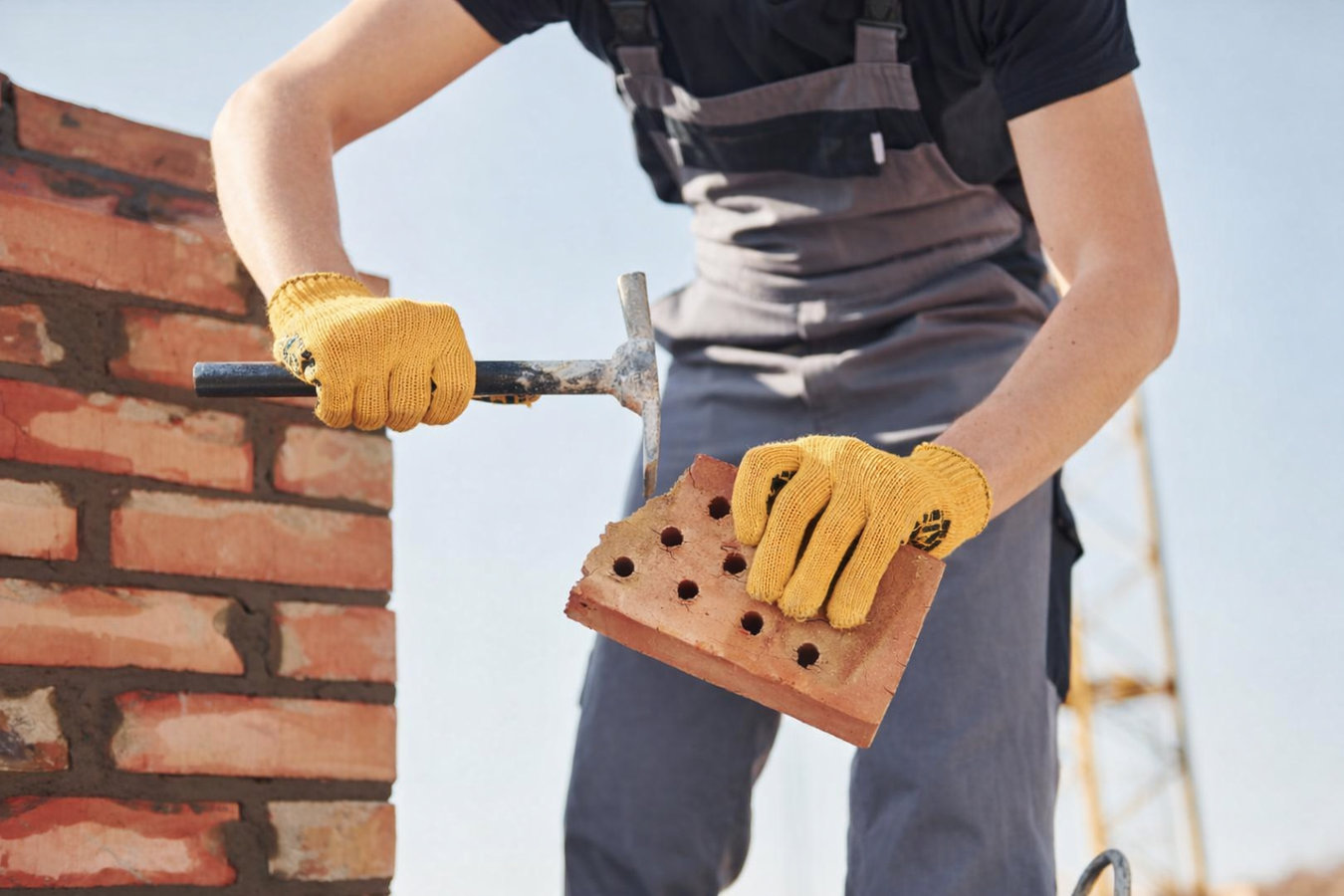
Spring Hill gets around 55 inches of rain a year. Crumbling mortar, damaged caps, and failing flashing let that water into your home. We find the problem and fix it before it becomes a bigger repair.
Chimney repair in Spring Hill fixes mortar joints, caps, flashing, and liner issues caused by moisture and storm damage - most repairs are completed in a single day with minimal disruption to your home. Spring Hill's combination of high humidity, heavy summer rain, and frequent tropical weather creates conditions that are harder on brick and mortar than most parts of the country. Unlike colder climates where freeze-thaw cycles do the damage, here it is the volume of water and humidity working year-round. Homes built during the growth years of the 1980s and 1990s are reaching the age where deferred chimney maintenance becomes urgent. Related work like tuckpointing is often performed at the same time as chimney mortar repairs.
A chimney that looks fine from the outside may have a blocked or deteriorating interior. The parts most likely to cause serious problems - the liner, the flashing, and the area beneath the cap - are not visible from the ground.
Chalky white streaks on the outside of your chimney mean water is moving through the masonry and carrying mineral deposits to the surface. In Spring Hill's wet climate, this staining can appear quickly and is often the first visible sign that moisture is getting in somewhere it should not. It does not mean the chimney is about to fail, but water damage is already underway.
Stand back and look at the joints between the bricks. Healthy mortar is solid and sits flush with the surface. If the lines look recessed or cracked, the mortar has broken down enough to let water in. This is especially common in Spring Hill homes built in the 1980s and 1990s that have never had mortar work done.
Brown or yellowish stains on the ceiling or wall around your fireplace opening are a strong signal that water is getting in through the chimney. After a heavy summer rainstorm - which Spring Hill gets regularly from June through September - check these areas for new staining. Finding it early means the repair is likely straightforward.
Scratching or rustling sounds from the chimney usually mean birds or squirrels have found their way in through a damaged cap. A smoky smell on warm, humid days when the fireplace is not in use can signal a draft problem or blocked flue. Both are common in Spring Hill where chimneys sit unused most of the year.
Most chimney problems fall into a handful of categories, and knowing which one affects your home is the starting point for any repair. Mortar repointing - often called tuckpointing - removes crumbled mortar and replaces it with fresh material, restoring the waterproof seal between bricks. Cap replacement closes the open top of the chimney to keep rain and wildlife out. Flashing repair reseals the joint where the chimney meets the roof - one of the most common points of water entry. Liner repair or replacement addresses the interior channel that carries combustion gases safely out of your home.
For homes where the fireplace itself needs work alongside the chimney, we also offer fireplace installation. Having both addressed at the same time reduces overall labor and ensures the new installation is properly matched to a repaired chimney system.
Best for chimneys where the joints between bricks look recessed, cracked, or sandy.
Suited to homes where rain or animals are entering through the open top of the chimney.
Recommended when water stains appear near the roofline or around the fireplace opening.
Necessary when the interior channel is cracked, deteriorated, or blocked - a safety-critical repair.
Spring Hill sits in Hernando County, where annual rainfall averages around 55 inches and summer humidity regularly tops 90 percent. That constant moisture works into brick and mortar year-round - not just in winter - which means chimneys here deteriorate faster than in drier climates. Hurricane season runs from June through November, and tropical storms can dislodge chimney caps, crack crowns, and force water into gaps that would otherwise stay dry. Many Spring Hill homes from the 1980s and 1990s are reaching the age where mortar, caps, and flashing commonly need their first major attention.
We work with homeowners throughout the area, including Brooksville and Port Richey. Understanding which repairs the local weather pattern demands most means we come prepared and do not waste your time or money diagnosing problems that are not there.
We respond within 1 business day. Tell us what you are seeing - staining, mortar issues, water near the fireplace - and we schedule a free on-site inspection at a time that works for you.
We look at the chimney from the ground, the roof, and often inside the flue with a camera. The inspection takes 45 to 90 minutes and ends with a plain-language explanation of what we found and your options.
You receive an itemized written estimate. For repairs that require a Hernando County permit - structural work and liner replacements typically do - we handle the filing and inspection coordination.
Most jobs are done in a single day. Fresh mortar needs 24 to 48 hours to cure - we schedule around the forecast so afternoon storms do not hit wet work. We clean the roof, gutters, and base of the chimney before we leave.
We respond within 1 business day and there is no obligation to hire. After you submit the form, someone from our office will call to schedule your free on-site inspection at a time that works for you.
(352) 651-0127Our contractor's license is verifiable through the Florida Department of Business and Professional Regulation. Full liability insurance covers your home and property from day one. You can look us up before you call.
We inspect the inside of the flue with a camera on every job where the interior condition is in question. This is the only reliable way to find liner damage, blockages, and wildlife nests that are not visible from the ground. You see what we see.
Fresh mortar needs 24 to 48 hours to cure before rain hits it. In Spring Hill, where afternoon thunderstorms arrive almost daily in summer, we check the forecast before scheduling mortar work and rebook rather than rush a repair that will fail in the next storm.
Florida winters are short, but when a cool evening finally arrives, the last thing you want is a chimney that has not been touched in years. We keep our schedule manageable so homeowners who plan ahead are not waiting in a queue when everyone else rushes to book in October.
Every chimney job starts with a thorough inspection, ends with a clean site, and is backed by a written warranty. For authority on chimney safety standards, see the National Fire Protection Association, which recommends annual chimney inspections regardless of how often you use the fireplace. Contact us to schedule your free inspection.
The Chimney Safety Institute of America is the leading authority on chimney inspection and repair standards in the US. Their homeowner resource library covers everything from inspection levels to water damage prevention.
Chimney mortar repair is a specialized form of tuckpointing - the same method we use to restore mortar joints on exterior brick walls and other masonry surfaces.
Learn more about TuckpointingIf your chimney needs significant rebuilding, upgrading to a new fireplace installation at the same time can save on labor and give you a fresh system built to current standards.
Learn more about Fireplace InstallationGet your chimney secured before the next round of rain hits Hernando County - a small repair now is far less expensive than water damage later.