
Loading...
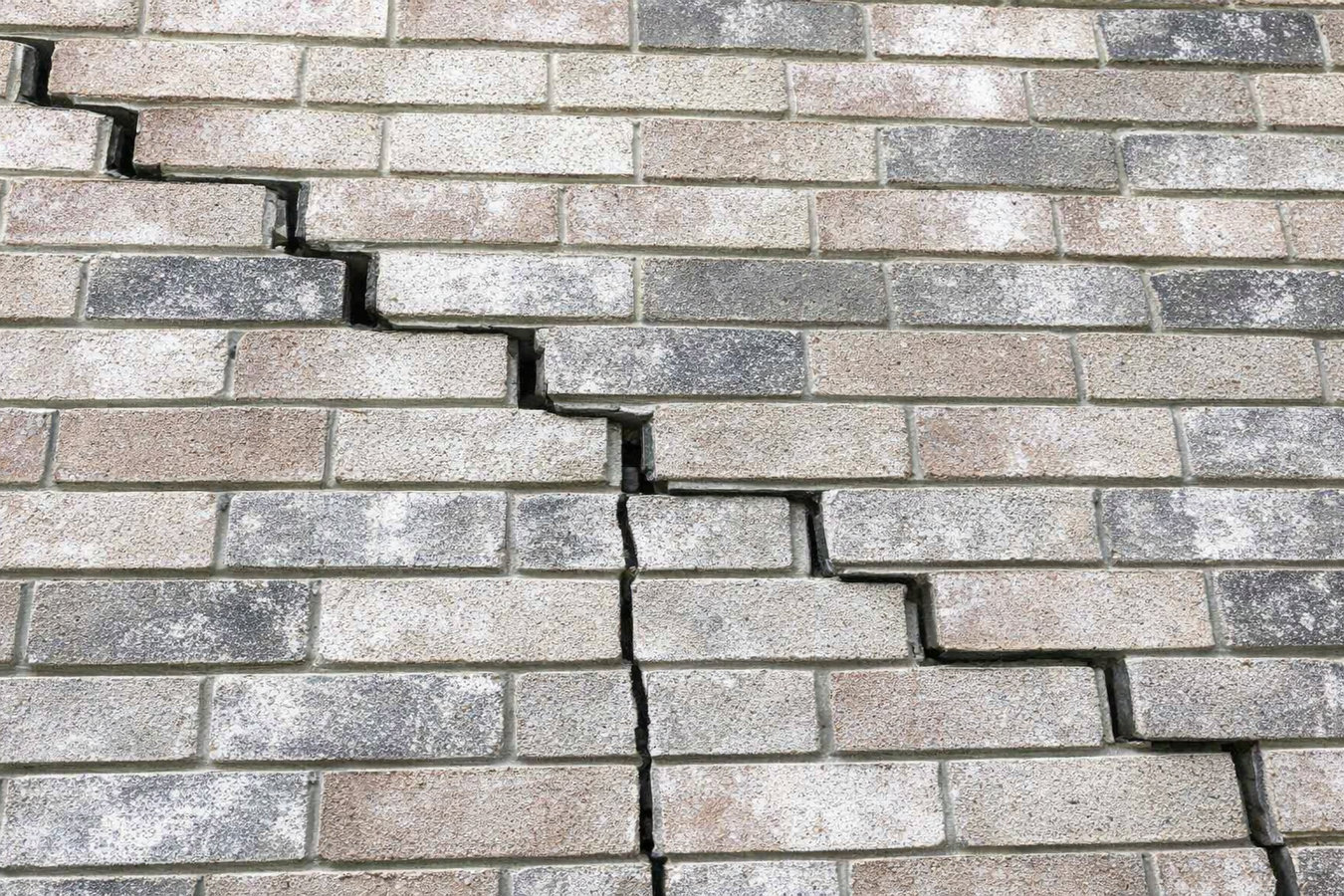
Spring Hill homes sit on sandy, moisture-sensitive soil. When doors stick, floors shift, or cracks appear near windows, your foundation may be moving. We find the cause and fix it - for good.
Foundation repair in Spring Hill addresses cracking, settling slabs, and structural movement caused by the area's sandy, moisture-sensitive soil - most residential jobs take one to three days and are completed without major disruption to your home. Spring Hill's wet-dry soil cycle is the main driver. The soil expands when it rains and contracts during dry stretches, putting repeated stress on concrete slabs. Homes built during the rapid growth of the 1970s through 1990s are now reaching the age when that accumulated stress shows up as visible symptoms. Our team also handles related work like foundation block wall installation when perimeter reinforcement is needed after a repair.
If you have noticed sticking doors, soft spots in your floor, or cracks spreading from the corners of windows, those are signs worth acting on before rainy season adds more stress to an already-moving foundation.
If doors that used to swing freely now drag on the floor or refuse to close, your home's frame may be shifting. This often gets worse after a heavy rainy season in Spring Hill when sandy soil under the slab has absorbed and then dried out unevenly. It is one of the earliest and most reliable signs that something is happening beneath your home.
Hairline cracks in drywall are common and usually harmless. But diagonal cracks running from the corners of door or window frames toward the ceiling are a different story. These patterns often mean the structure is moving in a way that puts stress on the frame. Seeing this pattern in multiple rooms is worth having inspected.
Walk slowly across your floors and pay attention to any spots that feel soft, springy, or noticeably lower than the surrounding area. In Spring Hill's slab-built homes, this can mean the concrete has shifted or a void has formed underneath - often caused by soil washing away during heavy rain. This tends to get worse over time if left alone.
A visible gap where interior walls meet the ceiling, or baseboards pulling away from the floor, signals structural movement. Spring Hill homes built in the 1970s through 1990s are particularly prone to this as the original soil settles further and the slab responds to decades of wet and dry cycles.
We handle the full range of foundation repair needs common to Spring Hill's slab-on-grade homes. Piering and underpinning drives steel supports deep into stable soil beneath your home, stopping movement and in many cases restoring the home to its original position. Slab lifting and void filling pumps material under a sunken concrete slab to raise it back. Crack injection uses epoxy or polyurethane material to seal structural cracks and stop water from entering. Each approach is chosen based on what is actually causing the problem, not what is easiest to sell.
For homes that also need perimeter reinforcement, we offer foundation block wall installation to lock in stability after a repair. And if you have noticed chimney issues alongside your foundation concerns - they often share the same moisture-driven root cause.
Best for homes with significant settling that need long-term structural support driven to stable soil.
Ideal for concrete slabs with voids or low spots caused by soil washing out beneath the surface.
Suits homes with structural cracks that need sealing to stop water intrusion and further widening.
Recommended alongside any repair when poor yard drainage is the underlying cause of soil movement.
Spring Hill sits on loose, sandy soil that reacts strongly to water. Hernando County receives roughly 50 to 55 inches of rain per year, concentrated between June and September. That seasonal flooding and soil saturation puts repeated stress on concrete slabs - especially in lower-lying neighborhoods where drainage is slow. Homes built during the rapid growth of the 1970s through 1990s are now at the age when this accumulated stress shows up as cracks, sticking doors, and uneven floors. Contractors here often need to drive support piers deeper than they would in other parts of the state to reach stable ground beneath the sandy upper layers.
We work across the area, including homeowners in Brooksville and Spring Hill. Knowing the local soil conditions, housing stock, and Hernando County permit process means we can move quickly and avoid surprises on your job.
We respond within 1 business day. Tell us what you are seeing - sticking doors, cracks, uneven floors - and we will schedule a free on-site inspection at a time that works for you.
We walk the property, measure floor elevation across rooms, and look at all visible symptoms. At the end of the visit we explain what we found in plain language and give you your options before anything else happens.
You receive a written estimate spelling out exactly what work will be done and what it costs. We handle the Hernando County building permit process - filing, scheduling, and coordinating the county inspection.
Most jobs take one to three days. After the work passes the county inspection, we walk you through what was done and what to watch for. You receive your warranty documentation in writing.
We respond within 1 business day. There is no obligation to hire - just a straight answer about what we find. After you submit the form, someone from our office will call to schedule your free on-site estimate at a time that works for you.
(352) 651-0127Our license is verifiable through the Florida Department of Business and Professional Regulation. Every job carries full liability insurance so your home and property are covered from the first day we arrive. You can verify our license number before you sign anything.
You receive a written, itemized estimate after every inspection. If something can wait, we say so. If something cannot, we show you why. No pressure, no urgency tactics, and no work begins without your signature on a written agreement.
Foundation repair in Spring Hill requires a county permit and independent inspection. We file the permit, coordinate the Hernando County inspection, and close it out after the job passes. You never have to contact the building department yourself.
We work exclusively in this area and know Spring Hill's sandy soil, its wet-dry seasonal cycle, and the housing stock built during the growth years. That local knowledge speeds up the diagnosis and prevents the kind of surprises that catch out-of-area contractors off guard.
Every job gets the same attention - thorough inspection, transparent estimate, permitted work, and a county-verified final inspection. That process protects you whether you are staying in your home or planning to sell. Contact us to schedule your free estimate.
For more on foundation repair standards in Florida, visit the Florida Department of Business and Professional Regulation to verify contractor licenses, or the University of Florida IFAS Extension for research on Florida soil conditions and their effects on building foundations.
Crumbling chimney mortar or water stains near your fireplace often trace back to the same moisture issues that affect foundations - get both assessed together.
Learn more about Chimney RepairAfter a foundation repair, reinforcing or replacing block walls around the perimeter locks in the stability and prevents future movement.
Learn more about Foundation Block Wall InstallationSpring Hill's summer rains put extra stress on shifting foundations - act now and the repair is done before conditions get worse.