
Loading...
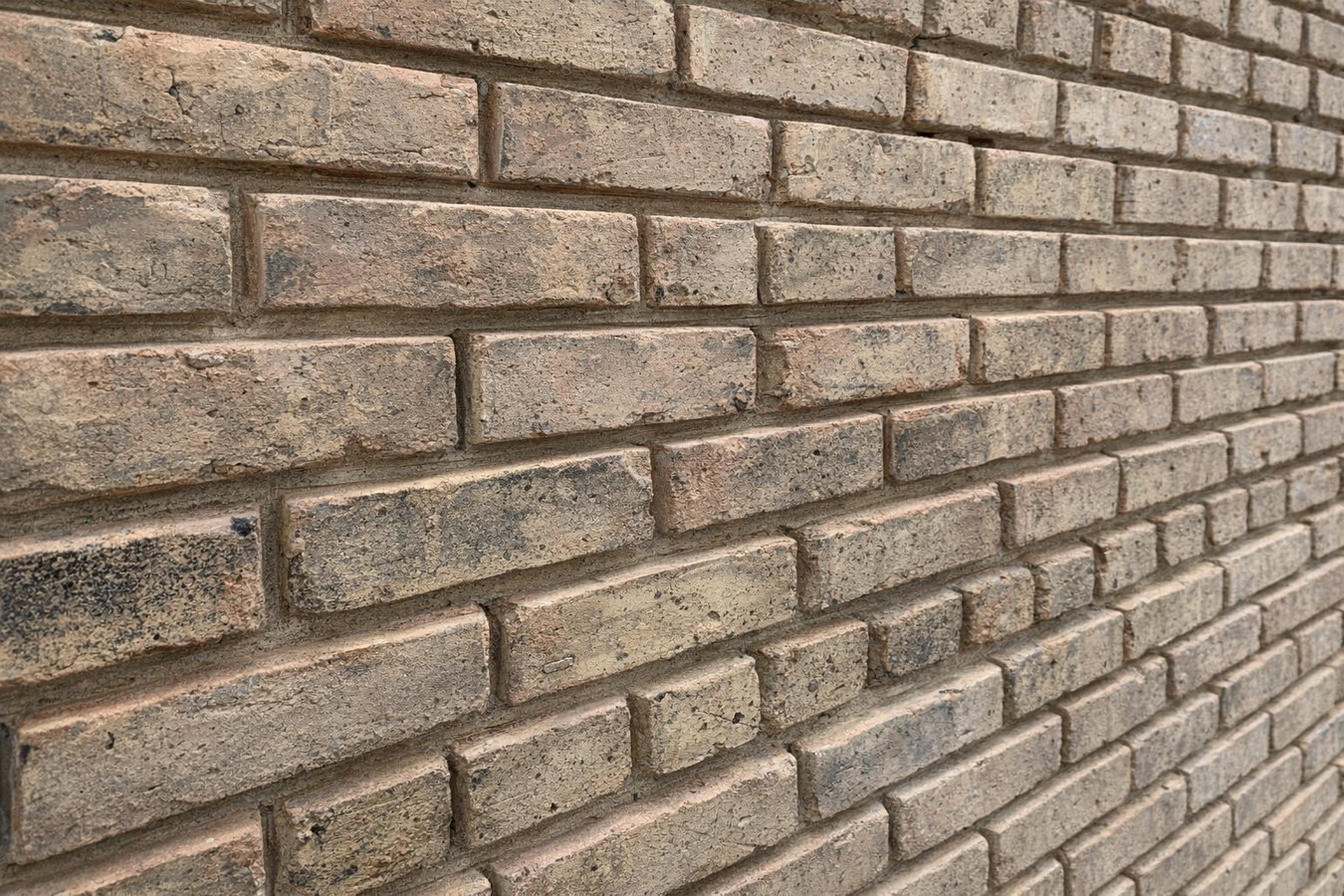
Failing mortar lets Florida humidity and rain work behind your walls. We remove the damaged material and pack in fresh, color-matched mortar before the damage spreads.
Tuckpointing in Spring Hill means removing crumbling mortar from the joints between your bricks or concrete blocks and replacing it with fresh, properly mixed material - most residential jobs are finished in one to three days without disrupting your daily routine. Florida heat and humidity break mortar down faster than homeowners expect, especially in Hernando County where summer temperatures regularly push into the low 90s for months at a time.
Once water gets through failing joints, it does not stop at the surface. It works into the wall, causes moisture problems inside, and turns a $500 repair into something far more expensive - the kind of damage that timely tuckpointing prevents. If your home is more than 15 years old and the joints have never been looked at, now is a good time. Related work like brick repair often goes hand-in-hand with tuckpointing when individual bricks have been damaged by the same water intrusion.
Most homeowners are surprised to learn the work happens entirely outside - you do not need to move furniture or prepare the interior. The crew grinds out the old material, packs in new mortar, and finishes the joints to match your existing wall profile.
Most of these signs are visible from the ground. If you spot any of them, a free inspection is the right next step.
Run your hand along the mortar joints on your exterior walls. If the material feels soft, sandy, or crumbles when you press it, it is breaking down. Visible gaps wider than a hairline mean water is already getting in, and the damage is progressing with every rain cycle.
Those white stains - called efflorescence - are mineral deposits left behind when water moves through your masonry and evaporates on the surface. In Spring Hill's humid climate, this is a common early warning sign that moisture is finding a path through failing mortar joints.
Spring Hill's rainy season brings intense, frequent downpours. If you see moisture on interior walls - especially near the base of exterior block walls - during or after those storms, failing mortar joints are a likely cause. Water does not need a large gap to get through.
Chimneys take the most weather exposure of any masonry on your home, and in Florida's heat and humidity they tend to deteriorate faster than wall joints. If the mortar between your chimney bricks looks rough, pitted, or has visible gaps, have it looked at before the next rainy season.
Our tuckpointing work covers the full range of masonry joint repairs for Spring Hill homeowners. We handle standard exterior wall joints on brick and concrete block homes, chimney mortar repointing, decorative brick planters and pillars, retaining structures, and interior masonry like fireplaces where joint condition affects both safety and appearance. Every job starts with a close inspection of how deep the damage goes before any grinding begins.
When mortar has failed in multiple sections, we sometimes recommend pairing tuckpointing with brick pointing for a cleaner finish on decorative surfaces, or with brick repair when individual units have been damaged by the same water intrusion that compromised the joints. Addressing both at once saves you a second mobilization fee.
Brick and concrete block homes where mortar joints have cracked or pulled away from the masonry units.
Homeowners with chimneys showing pitting, gaps, or crumbling joints who need the work done before storm season.
Mailbox pillars, planters, and accent walls where matching the original mortar color is essential.
Masonry fireplaces where failing mortar affects both the appearance and the safety of the firebox.
Spring Hill sits in Hernando County where average annual humidity regularly exceeds 70% and summer temperatures stay in the low 90s for months. That combination of heat and moisture accelerates mortar breakdown faster than homeowners expect, especially compared to what they may have experienced in drier states. Most homes here were built between the 1970s and early 2000s, meaning original mortar is now 20 to 50 years old and approaching or past the point where it starts to fail. Homeowners in Brooksville face the same conditions, and we regularly work across that area as well.
The Tampa Bay region, including Spring Hill, receives most of its annual rainfall between June and September. Fresh mortar that gets saturated before it cures will not bond properly, which is why experienced local contractors recommend scheduling tuckpointing between October and May when possible. Spring Hill also has many HOA-governed communities, and some require approval before exterior work begins. Homeowners in areas like New Port Richey and across Hernando County deal with similar rules and seasonal timing. We know the process and help you through it before a single tool touches your wall.
We respond within 1 business day. A few quick questions about your wall type and the area affected help us know what to look for before we arrive.
We walk your property and check how deep the mortar damage goes, whether any bricks or blocks are affected, and whether scheduling before or after rainy season changes the approach.
After the assessment you receive a written estimate with a clear scope and cost. We confirm whether an HOA or Hernando County permit applies to your job and handle that paperwork before work begins.
The crew grinds out old mortar to a consistent depth, packs in color-matched material, finishes the joints, and cleans up before leaving. We walk the job with you so you can see the repair up close and know what to avoid while the mortar cures.
We respond within 1 business day - no obligation. After you submit, someone from our office calls to schedule a free on-site estimate at a time that works for you. We assess your walls, explain what we find in plain terms, and give you a written quote before any work begins.
(352) 651-0127We test and blend mortar color before we start filling. A repair that stands out as a different shade means the contractor did not take that step - ours do not leave patchy-looking walls behind.
We know the local mix of CBS block construction, older brick homes, and HOA communities across Spring Hill. That familiarity means fewer surprises on the job and faster answers when you have questions.
Every estimate is done in person so we can see actual depth and extent of damage - not guess from a photo. You get a written quote before you commit to anything.
If your cracking mortar has a deeper cause - soil movement, a drainage issue - we tell you rather than just patching over it. The Brick Industry Association notes that repairs fail quickly when underlying causes are ignored.
These are not talking points - they are the things that determine whether a tuckpointing repair lasts 25 years or fails in 18 months. Every crew member knows the difference between a proper three-quarter-inch cut and a surface smear, and that difference is what you are paying for. Learn more about proper mortar joint repair standards at the Brick Industry Association.
Cracked or spalling brick alongside failing mortar joints? Brick repair addresses the damaged units so your wall is structurally sound before new mortar goes in.
Learn more about Brick RepairBrick pointing is closely related to tuckpointing and is often the right choice for decorative or accent brick that needs a precise finish.
Learn more about Brick PointingFresh mortar joints mean sealed walls and no water surprises - call today and we will have an estimate to you within 1 business day.